


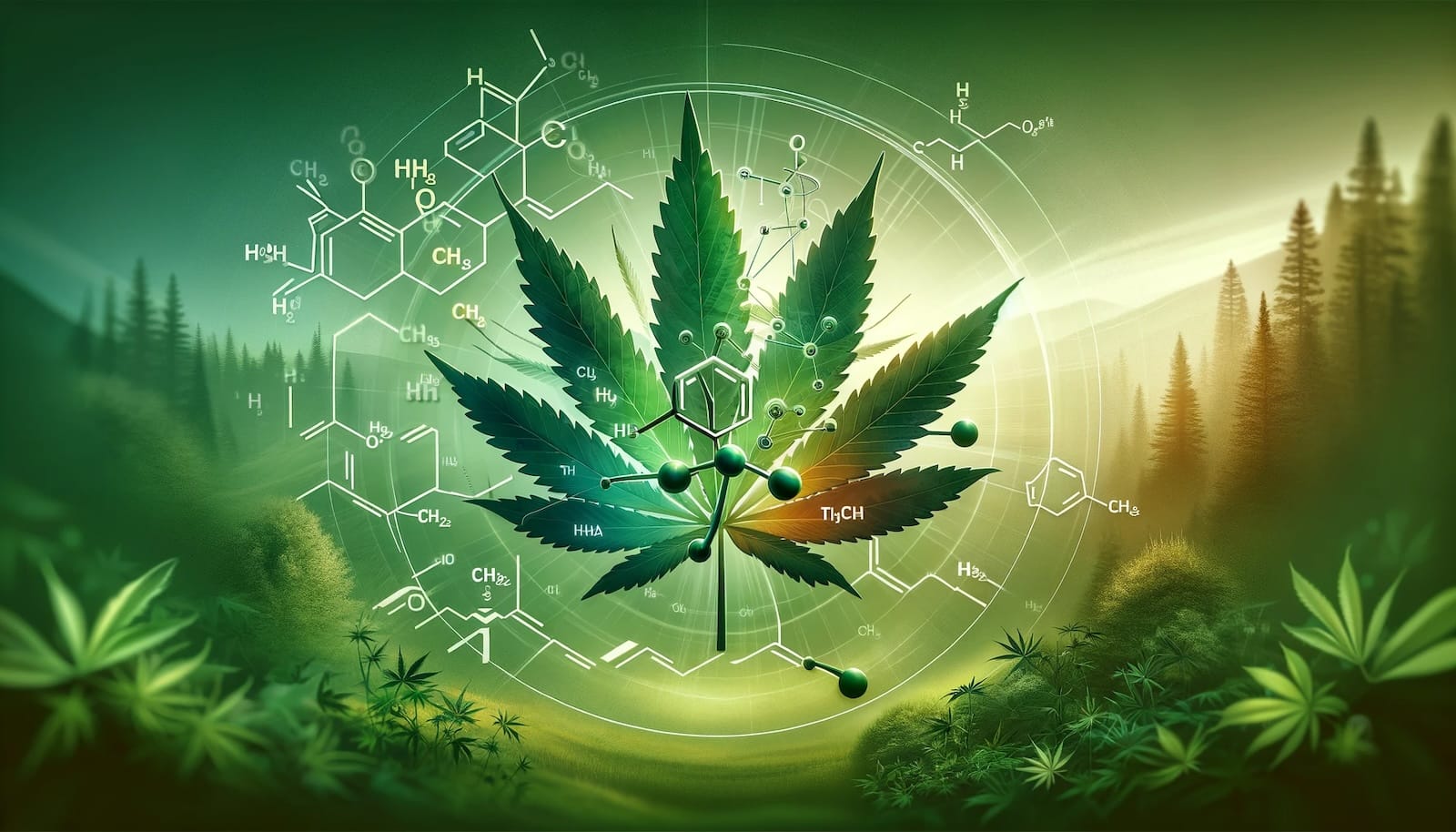
Tetrahydrocannabinolic acid (THCA) is one of over 100 known cannabinoids produced by the cannabis plant. Like tetrahydrocannabinol (THC), the main psychoactive compound in cannabis, THCA offers therapeutic benefits but with key differences in effects.
What is THCA?
THCA is the raw, unheated form of THC found in live cannabis plants. THCA has a carboxylic acid attached to its chain, making it non-psychoactive. When heat is applied, THCA goes through a process called decarboxylation which removes the acid and converts THCA into psychoactive THC.
Key facts about THCA:
- Non-psychoactive cannabinoid
- Abundant in raw, live cannabis plants
- Converts to psychoactive THC when heated through decarboxylation
- Offers therapeutic effects without causing a “high”
THCA vs THC: Key Differences
While THCA and THC share a similar molecular structure, there are some important ways these two cannabinoids differ:
Psychoactivity
The main difference between THCA and THC lies in their psychoactive properties. THC causes the intoxicating effects associated with cannabis use like euphoria and changes in sensory perception. THCA does not cause a high or impairment.
Receptor Binding
THC readily binds to cannabinoid receptors in the body’s endocannabinoid system, causing its signature effects. The extra carboxyl group on THCA makes it unable to bind effectively, so it does not directly influence the endocannabinoid system.
Therapeutic Benefits
While THC and THCA share some similar therapeutic properties like anti-inflammatory effects, THCA has shown unique benefits in areas like neuroprotection, anticonvulsant effects, anti-nausea , and more.
Benefits and Uses of THCA
With its clear-headed effects and emerging research, THCA has become an exciting therapeutic cannabinoid option. Here are some of THCA’s top benefits and uses according to studies so far:
Anti-inflammatory
THCA demonstrates powerful anti-inflammatory properties that may help conditions like arthritis, muscle soreness, IBS, and neurological inflammation. THCA can reduce factors that lead to inflammation without impairment.
Neuroprotection
Early research shows THCA may help protect nervous system function and health through its antioxidant effects and ability to stimulate neural growth factors. This makes it promising for neurodegenerative diseases like Alzheimer’s and Parkinson’s.
Anticonvulsant
Along with other cannabinoids like CBD, studies have found THCA possesses significant anticonvulsant effects , reducing seizure occurrence and severity. This could make THCA beneficial for treatment-resistant epilepsy.
Anti-emetic
THCA demonstrates anti-nausea and anti-vomiting actions similar to THC but without causing a high. This makes THCA uniquely helpful for addressing nausea, appetite loss , and emesis brought on by chemotherapy and other treatments.
Using THCA Products
Since heat degrades THCA into THC, careful extraction and formulation processes are essential to harnessing its benefits. Here are some tips for using THCA products:
- Look for raw, fresh frozen cannabis to access THCA before decarboxylation
- Find low-heat extractions like ice water hash to preserve THCA content
- Choose tinctures, capsules, topicals for focused THCA relief without psychoactivity
- Microdose THCA oils and edibles for mild effects and build up slowly
Combining THCA with other cannabinoids can also provide an entourage effect for enhanced benefits.
THC Disposable Vapes: A Convenient Way to Access THC
In contrast to THCA, which is non-psychoactive, THC is widely consumed for its psychoactive effects. One popular method of consuming THC is through disposable vapes. Here’s how THC disposable vapes fit into the picture:
Understanding THC Disposable Vapes
THC disposable vapes are pre-filled devices containing a THC-rich e-liquid. They are designed for convenience and ease of use, offering a discreet and efficient way to consume THC.
Key Features of THC Disposable Vapes:
- Pre-filled and Ready-to-Use: They come loaded with a specified amount of THC oil, eliminating the need for refilling.
- Portability: Compact and easy to carry, they are ideal for on-the-go use.
- Discreet: Produce less odor than traditional smoking methods, making them more discreet.
- Controlled Dosage: Often equipped with a fixed voltage setting for consistent vapor production and dosage control.
- Variety of Strains: Available in various strains and flavors, catering to different preferences.
- Single-Use Convenience: Being disposable, they require no maintenance or charging.
Decarboxylation in THC Vapes
In these vapes, the THC is already in its psychoactive form. This is because the process of making THC oil for vapes includes decarboxylation, where THCA is heated to convert into THC. This contrasts with the raw form of THCA, which does not induce psychoactive effects until heated.
Health Considerations
While THC vapes offer convenience, it’s important to be aware of potential health risks. Users should ensure they purchase from reputable sources to avoid products with harmful additives. The long-term health effects of vaping are still being studied.
Legal and Regulatory Aspects
THC disposable vapes are subject to cannabis laws, which vary by region. In places where cannabis is legal, these products can be found in licensed dispensaries. Users must adhere to local regulations regarding possession and use.
How Does THCA Compare to Other Cannabinoids?
While research into rare cannabinoids like THCA is still in early stages, initial studies and anecdotal evidence suggest THCA has distinct benefits from other major cannabinoids.
THCA vs CBD
CBD is used primarily for its anti-anxiety and stress-relieving qualities. THCA shows more specialized effects in areas like inflammation, nausea, neuroprotection and anticonvulsant activity where CBD may have limitations. Using both offers complementary benefits.
THCA vs Delta 8 THC
Delta 8 THC causes mild psychoactive effects with less anxiety or impairment than regular THC. THCA works very differently, providing symptom relief and protection for the nervous system without any high.
THCA vs THCV
THCV shows some appetite-suppressing and energetic effects contrasting with THC. THCA has no stimulation or dietary influence but can offset side effects like anxiety sometimes caused by THCV or THC.
Frequently Asked Questions About THCA
Many consumers have questions about accessing and using this intriguing new cannabinoid option. Here are answers to some often asked questions about THCA:
Does THCA get you high?
No, since THCA has not yet converted to THC through decarboxylation, it does not cause any intoxicating effects or psychoactivity.
What are the side effects of THCA?
Current research suggests THCA has an extremely high safety profile with no serious side effects or risks of overdose. Mild dry mouth or drowsiness are possible with high doses.
What’s a good THCA percentage?
Most THCA-dominant cannabis flower or extracts contain 60-90% THCA. The optimal percentage depends on your reasons for use and sensitivity to effects.
Where can I buy THCA products?
In legal states, you can find THCA-rich raw cannabis flower, pre-rolls, concentrates, tinctures, and more at licensed dispensaries. THCA is also sold online as a dietary supplement where hemp is legal.
The Future of THCA
While THC garners the most attention, rediscovery of other phytochemicals like THCA in cannabis are opening new possibilities for therapeutics. As research continues, THCA’s specialized effects could make it preferred over THC for inflammation, nausea, seizures, neurodegeneration and more.
Regulation allowing medical study of cannabis compounds remains a key obstacle, but progress continues. With growing interest from consumers and scientists, THCA is positioned to become a rising star in cannabis medicine.
THCA offers therapeutic potential similar to THC but without causing impairment or intoxication. Its anti-inflammatory and neuroprotective properties make it uniquely beneficial for certain conditions. Seeking out raw, fresh cannabis products maximizes THCA content over psychoactive THC. Combining THCA with CBD, THCV, and other cannabinoids can provide enhanced entourage effects. While research is still early, THCA is emerging as a promising medical cannabinoid.
Related:
- Review TRE House Vape Pen From AskGrowers Experts
- The Disposable Vape Surge: A Deep Dive into the Latest Market Trends (Statistics)
- Finding the Best THCA Dispensaries Near Me